
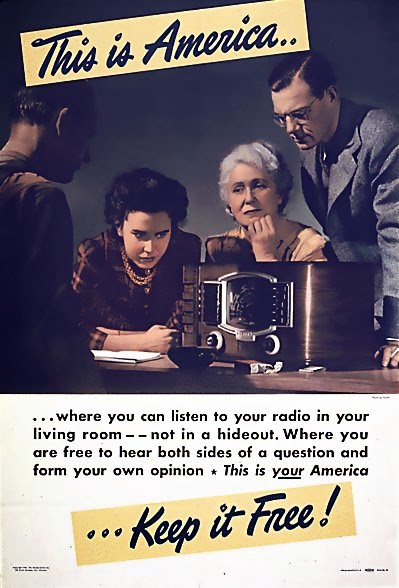
Christopher Sterling (task force director and Associate Dean at George Washington University) and reserach director Josh Shepperd recently published an article outlining the RPTF's current activities, which you can read over at Antenna. The RPTF is focused on identifying and preserving non-commercial, local , and regional broadcasts as well as identifying major gaps in current archival holdings.
A little background: National Recording Preservation Board Chair Sam Brylawski created the RPTF in early 2014 following the recommendatoins laid out in the Library of Congress National Recording Preservation Plan. The Plan, based on work conducted by over 100 librarians, researchers, historians, media representatives, and others, identified four major areas of concern: preventing the further deterioration of rare archives; the need for standardized preservation strategies; accessibility challenges, including the lack of a national database and copyright issues; and long-term national preservation and access. Brenda Nelson-Strauss, Head of Collections at the Archives of African American Music and Culture at Indiana University (their monthly newsletter is a must read) directed the development of the national plan.

